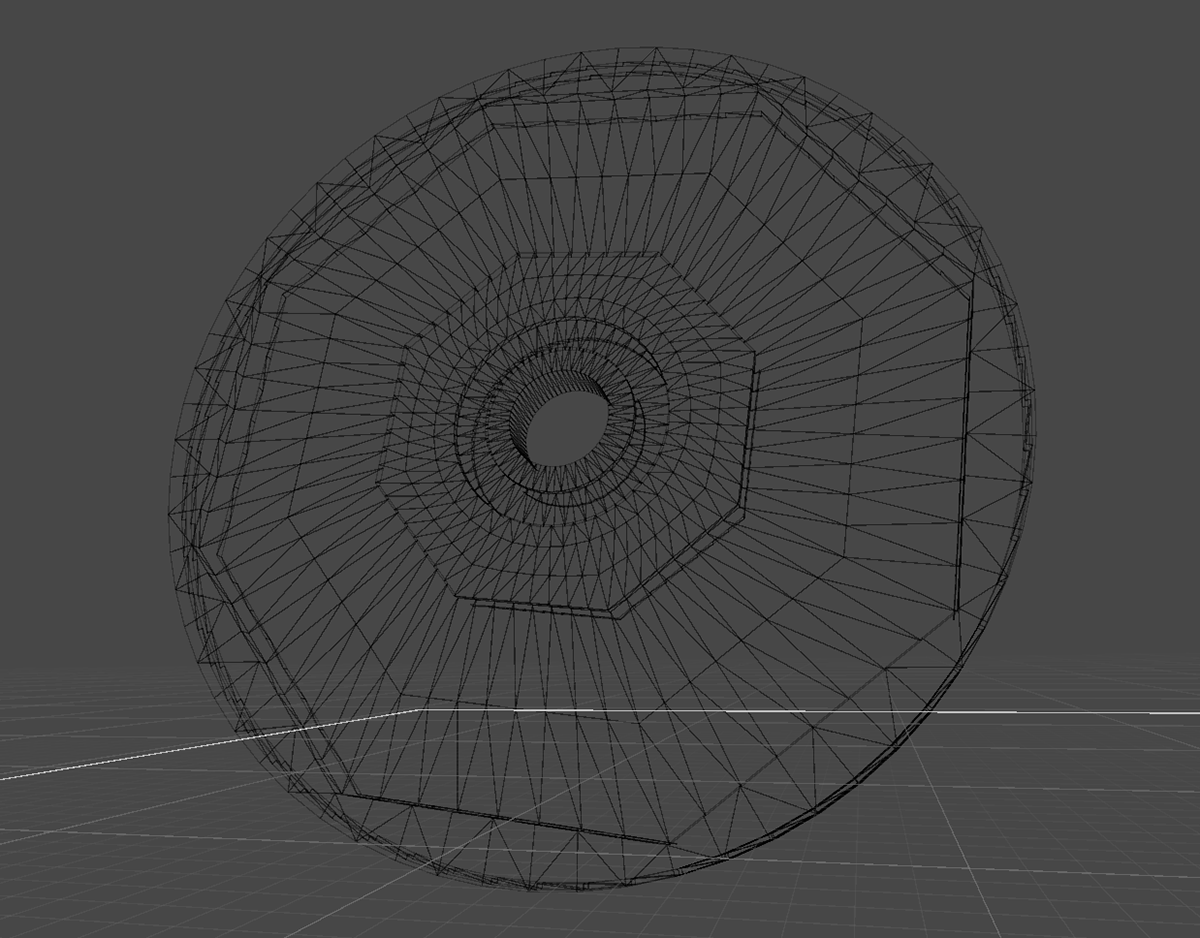
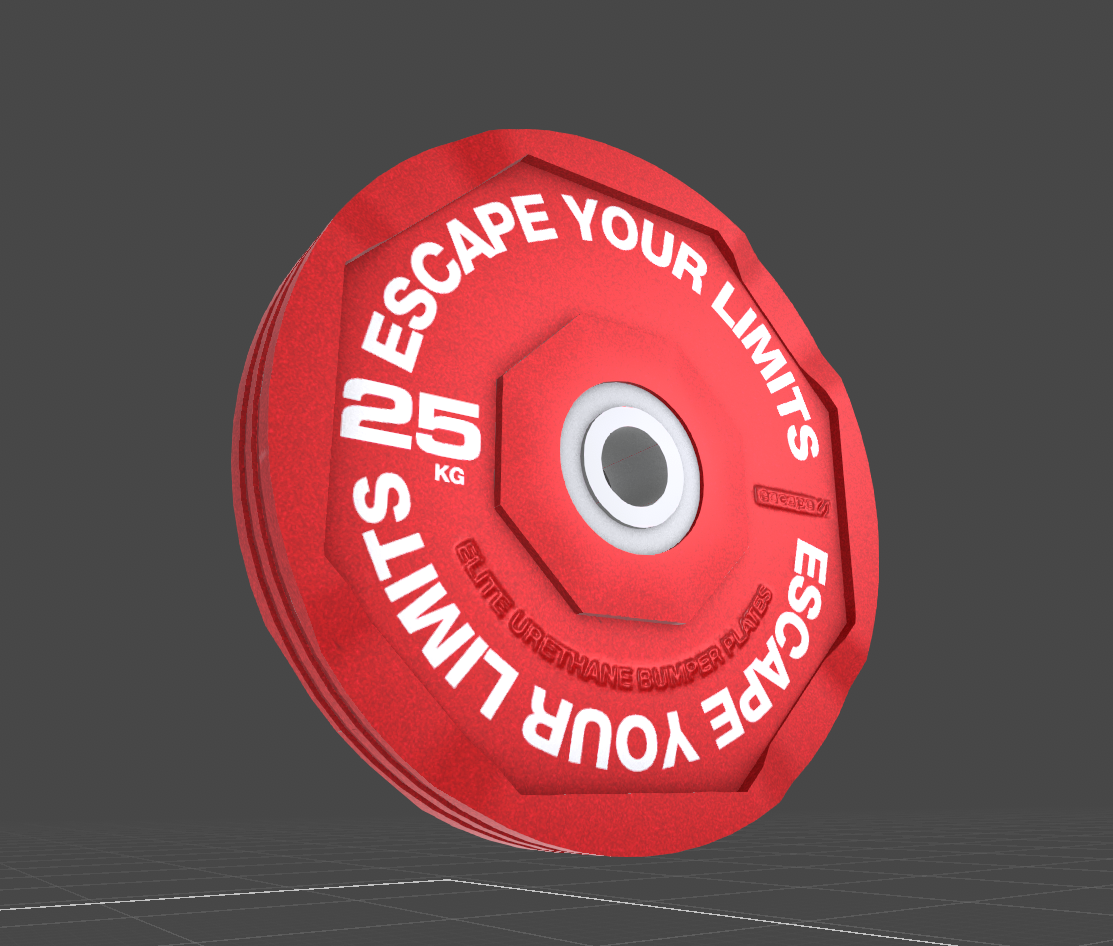
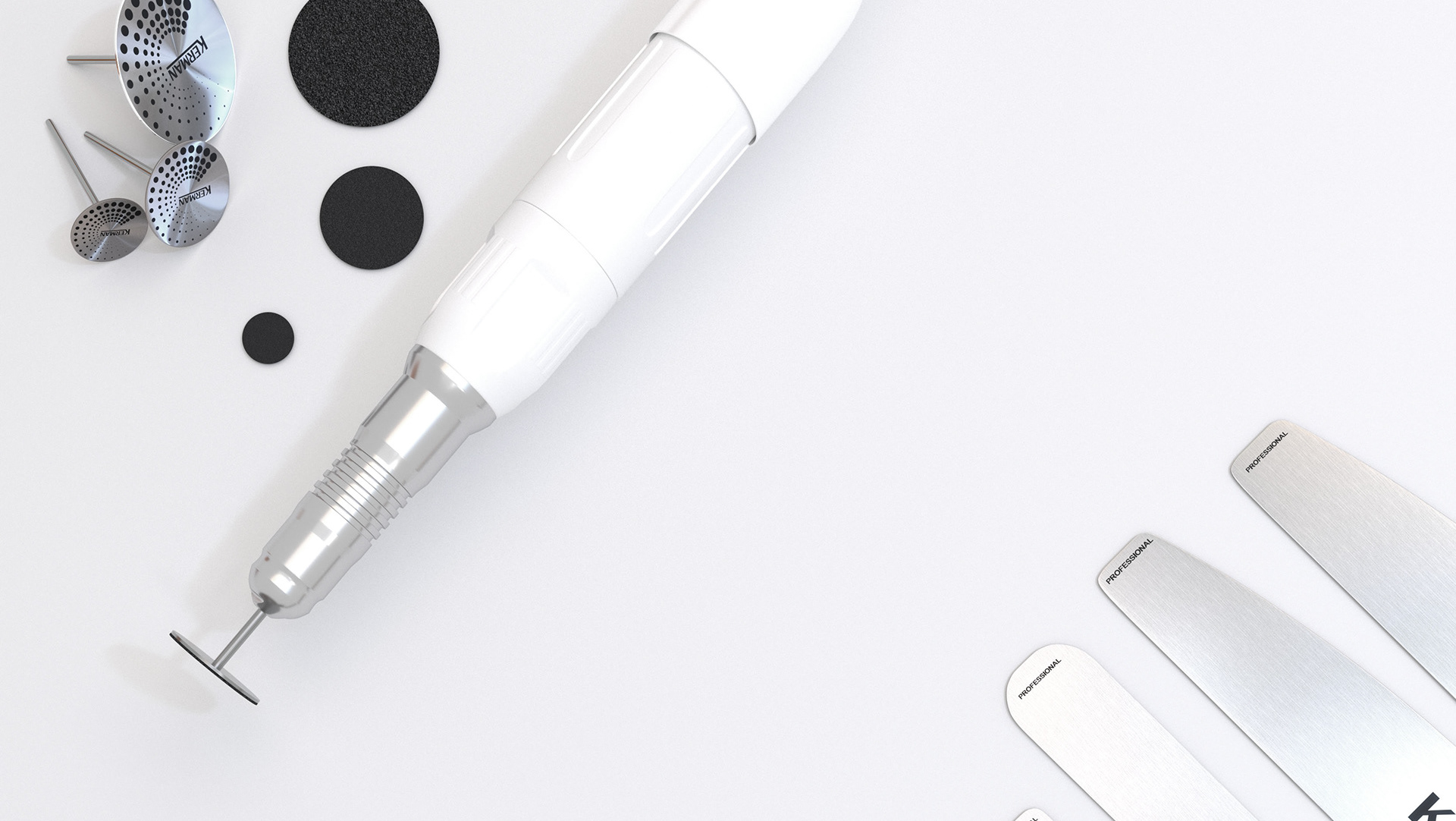
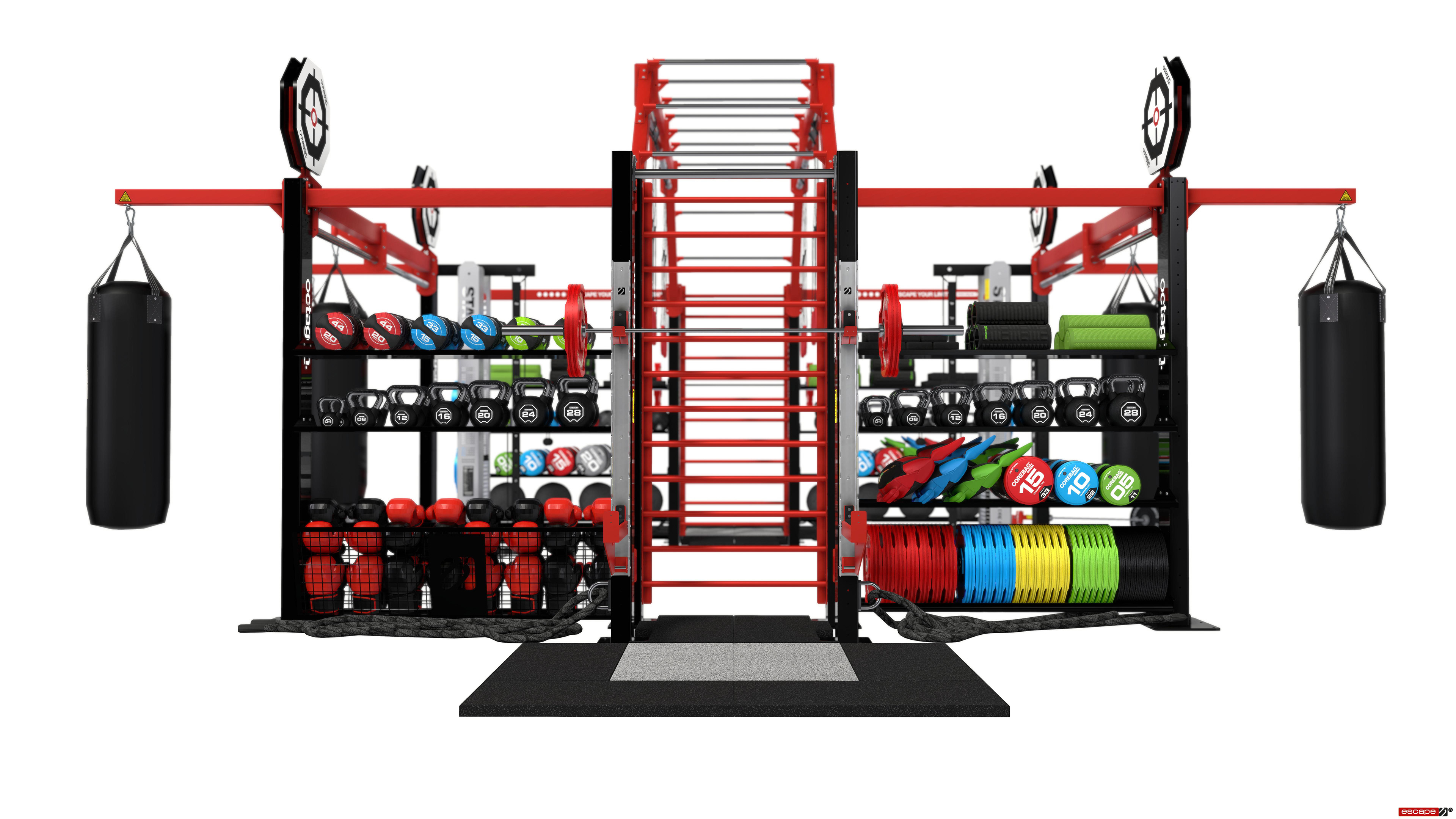
In my role as a 3D Software Developer at Escape Fitness, I was responsible not only for developing the fitness frame configuration tool but also for preparing the entire asset library. Because the tool needed to represent our products accurately while running smoothly on mid-to-low-end devices—and still provide high-quality visuals for sales pitches—optimization was essential for both performance and my own production time.
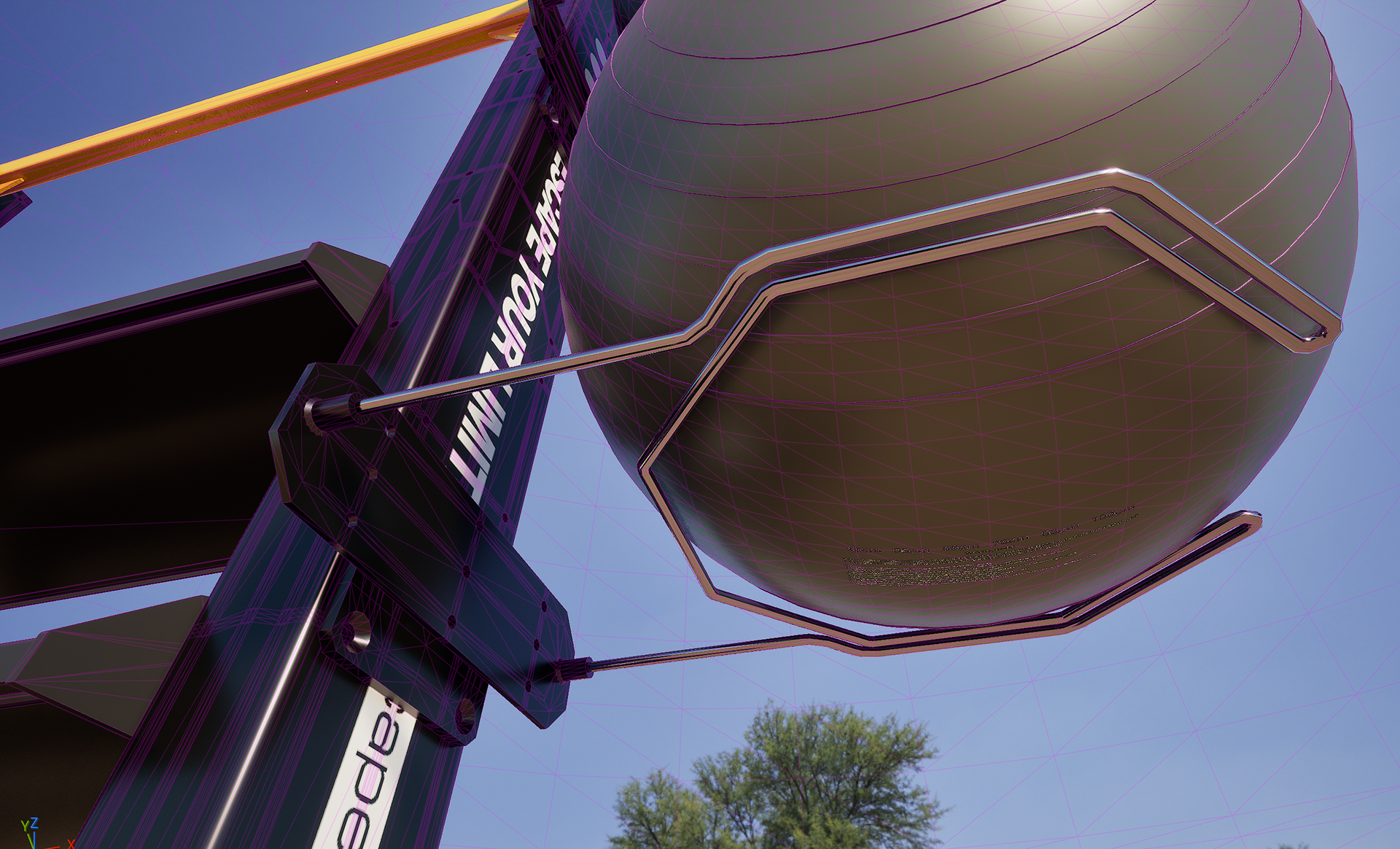
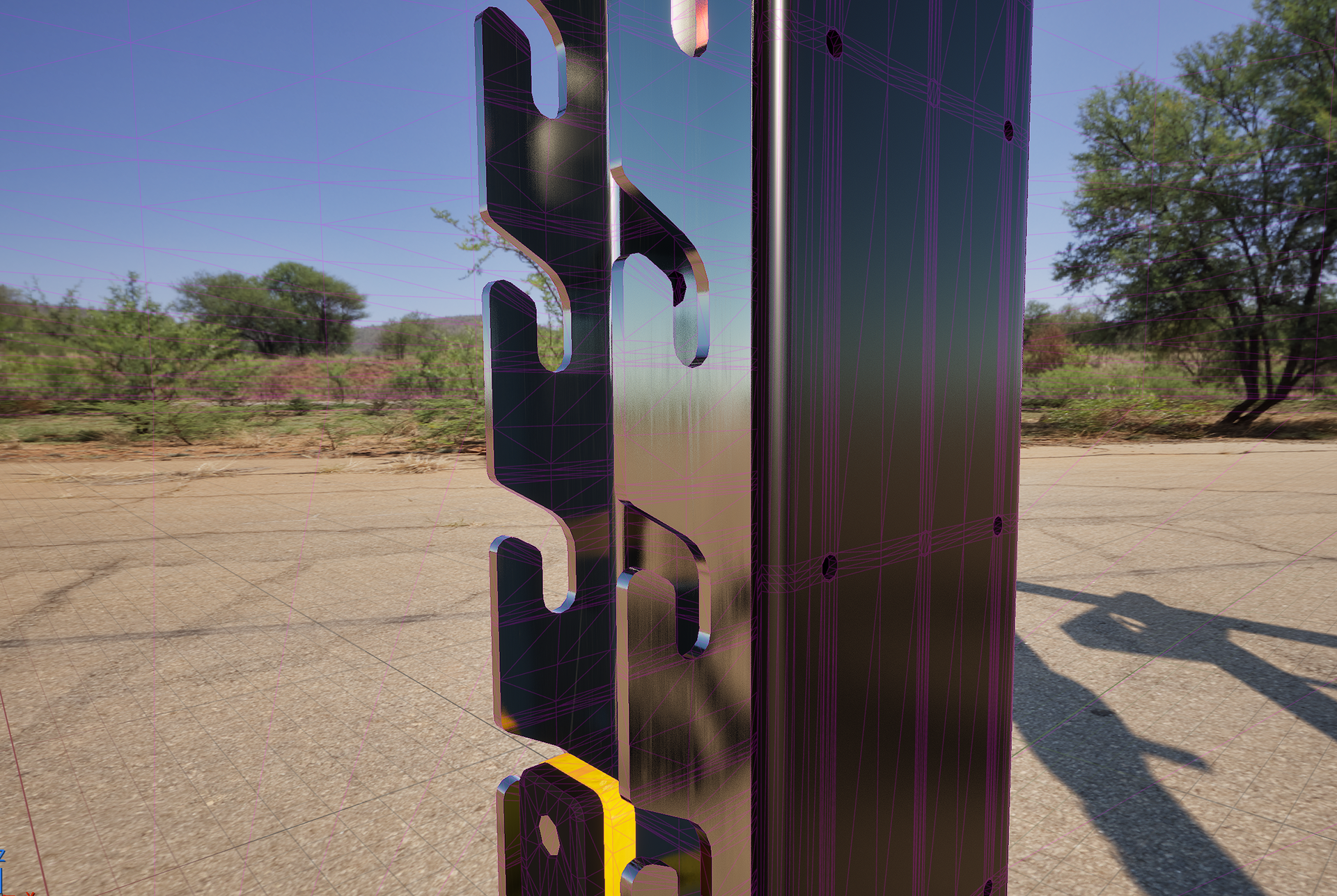
Balancing strict polygon budgets with the complex, laser-cut nature of our physical products taught me how to effectively weigh effort versus gain in a production pipeline. As a result, we delivered a tool capable of running seamlessly on lower-end devices (like an i5 with 4GB of RAM), while scaling up on better hardware to produce visuals so strong that the company cancelled its third-party 3D software licenses and migrated to using our in-house tool for all image production.
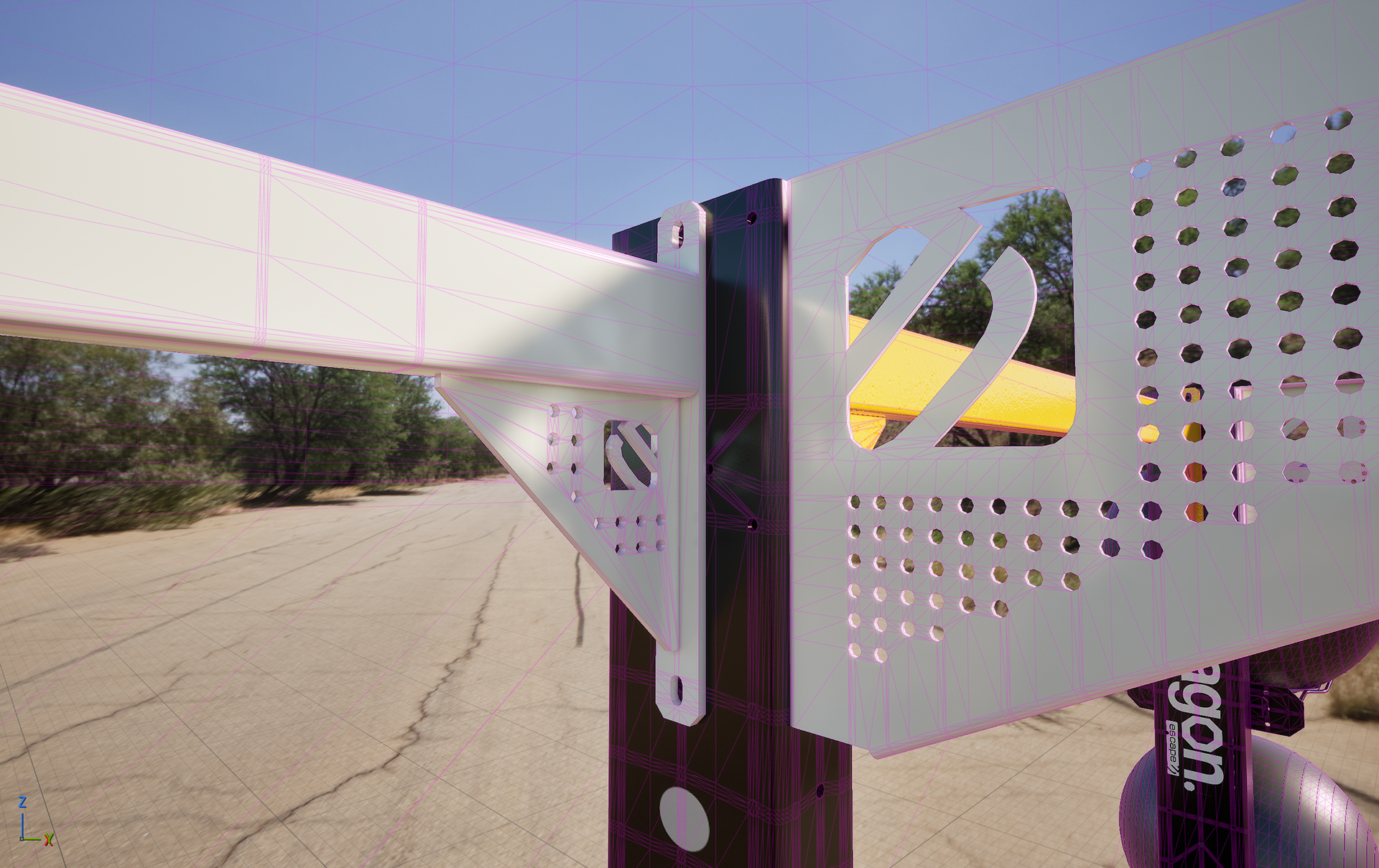
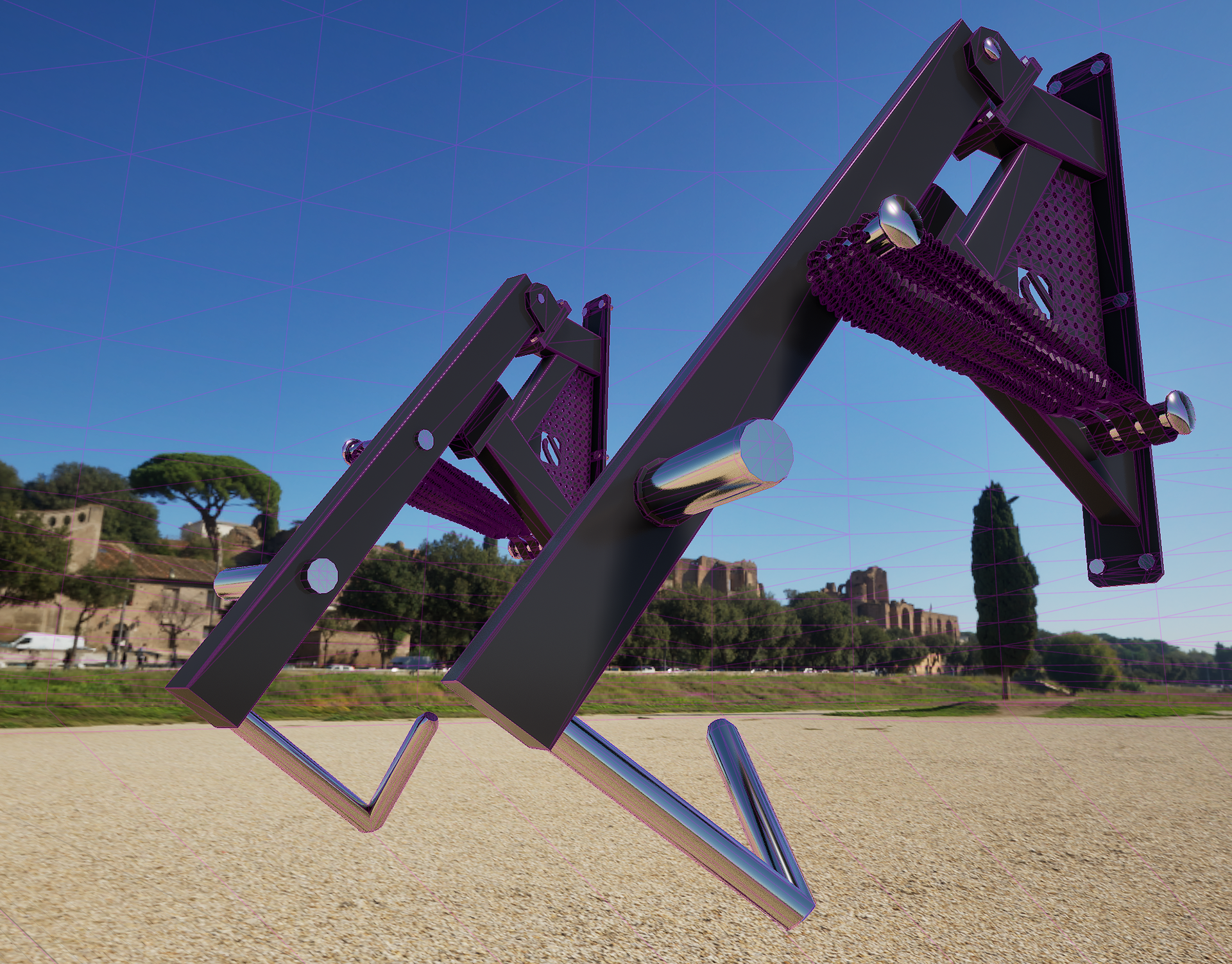
Cross Engine Compatibility
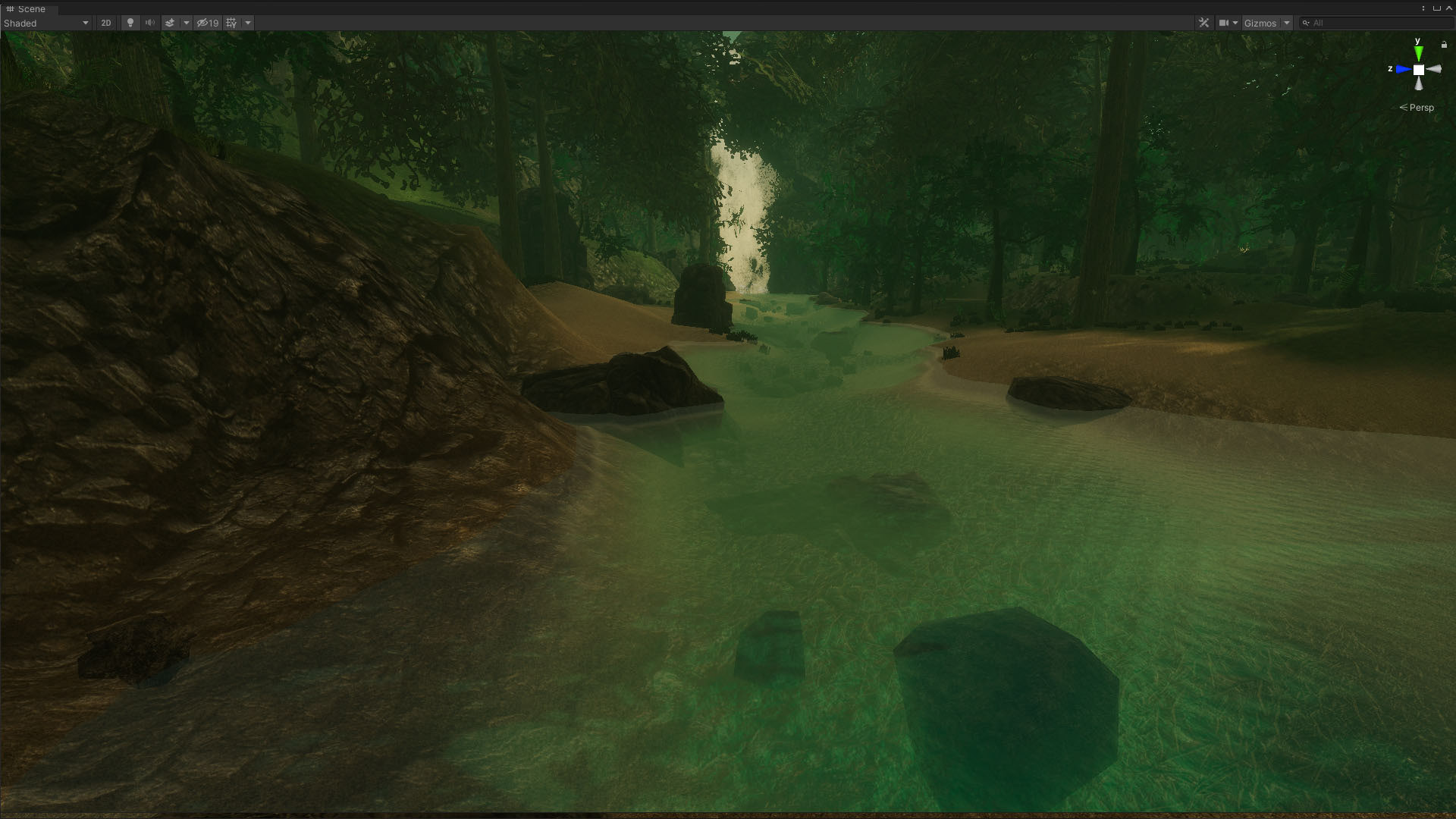
The optimized models I prepared for Unity were built to strict technical standards, making them fully cross-compatible with Unreal Engine. Because different engines utilize different rendering techniques and tangent spaces, an engine that is forgiving in one area might expose severe shading artifacts in another.